Samuel Prout (1783-1852)
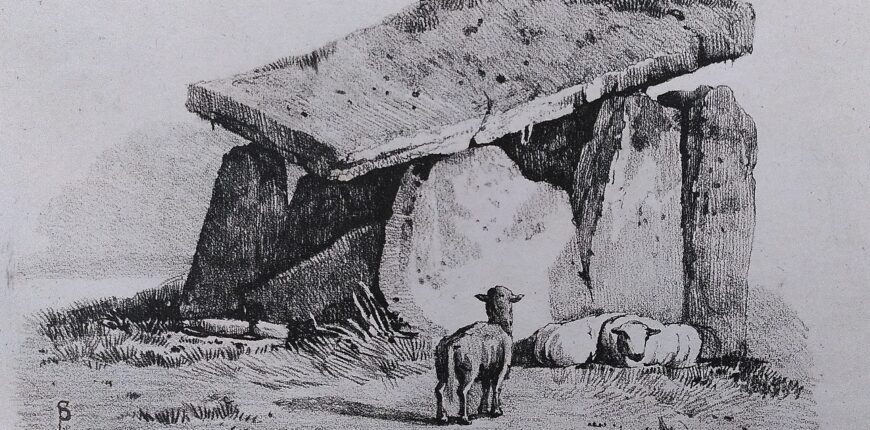
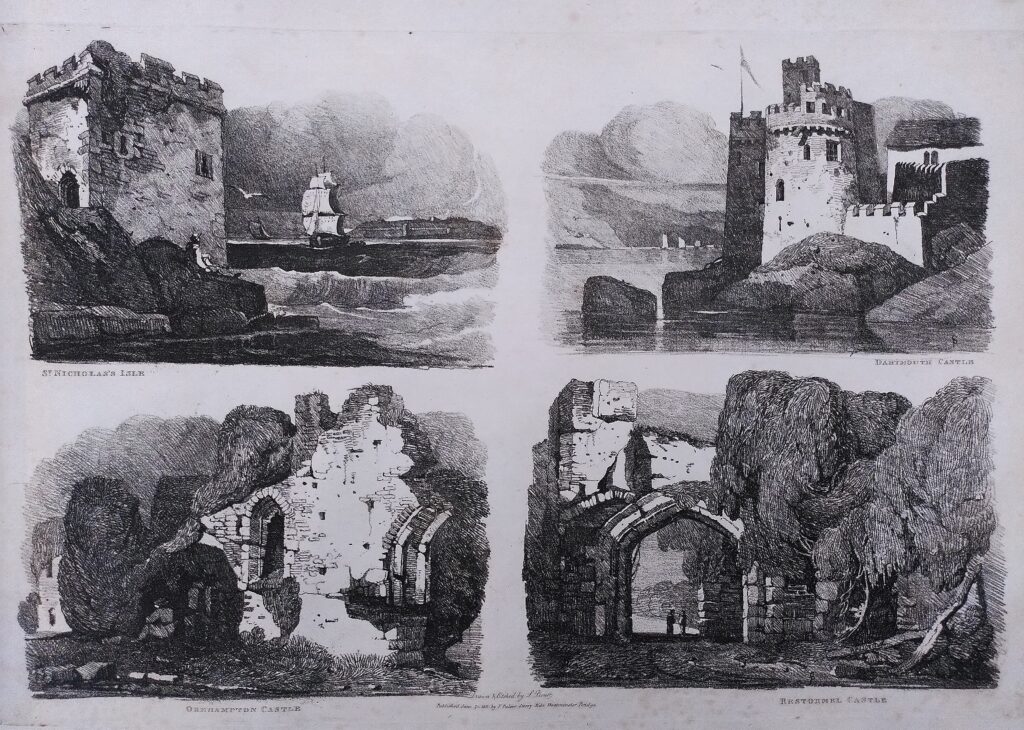
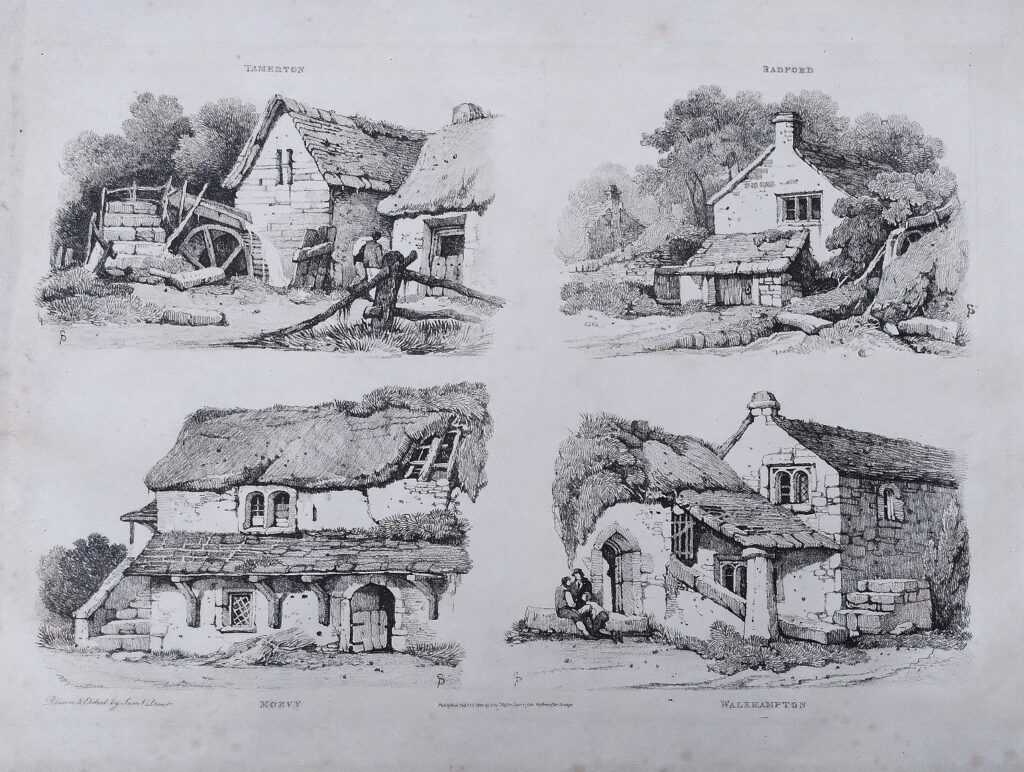
[Picturesque delineations in the counties of Devon and Cornwall, imitated from the original studies] (1811-1812)
In 1829, Samuel Prout’s contemporary reputation was reaching its height: he was appointed ‘Painter in Water-Colours in Ordinary to His Majesty’ by George IV, and his paintings were selling for as much as 60 guineas. Prout’s popularity declined towards the end of his career, when ill health prevented him from travelling in search of fresh subjects. Nevertheless, John Ruskin considered Prout one of the most influential artists of his time, writing:
“there has yet appeared nothing at all to equal him; there is no stone drawing, no vitality of architecture like Prout’s … Faults he has, manifold, easily detected, and much declaimed against by second-rate artists; but his excellence no one has ever approached” (Modern Painters, vol. 1, 1846)
Prout was born at Plymouth in 1783, and attended Plymouth Grammar School. There, his interest in sketching was fostered by the headmaster Dr John Bidlake. In 1802 he moved to London to work as an illustrator for the antiquarian publisher John Britton. He travelled widely throughout England, making preliminary drawings for engravings published in Britton’s Beauties of England and Wales (1803-15) and Architectural Antiquities of Great Britain (1807-18).
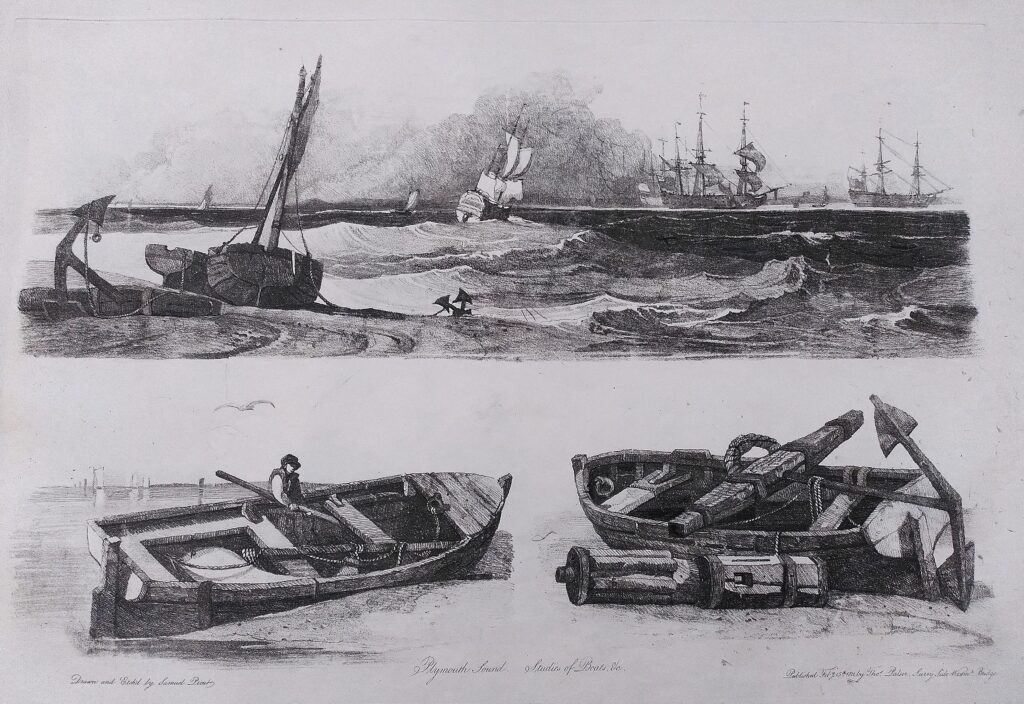
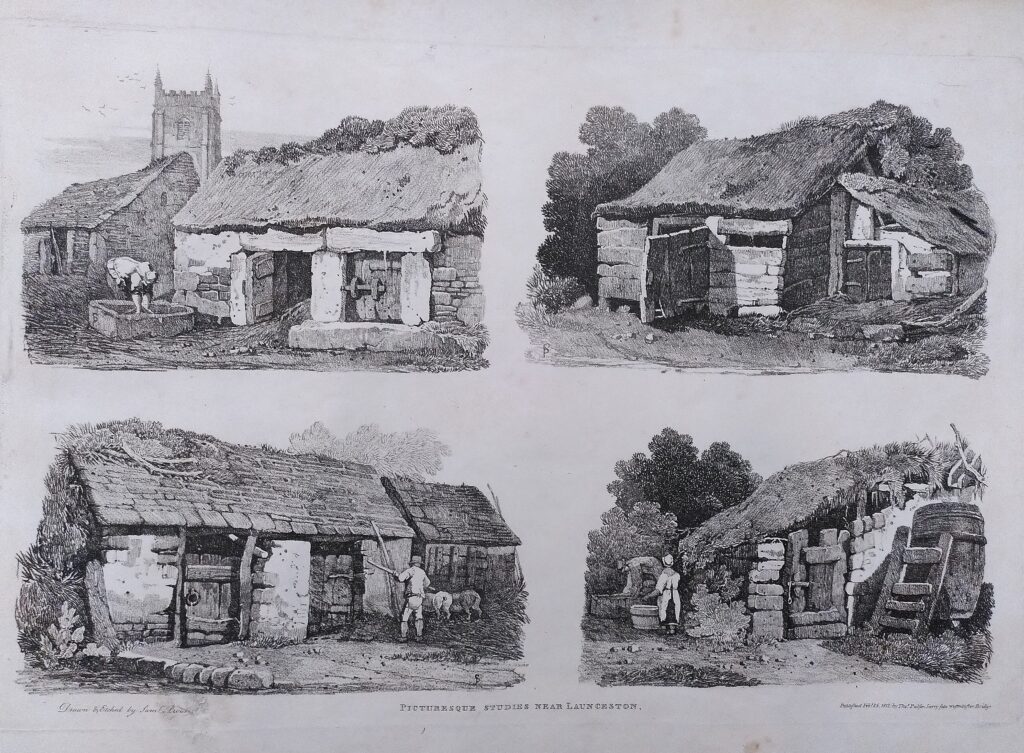
For most of his career, the print trade provided a significant proportion of Prout’s income. In the 1810s he supplied vast quantities of cheap monochrome drawings and watercolours to publishers like Rudolph Ackermann and Thomas Palser. The latter published Prout’s first monograph, Picturesque delineations in the counties of Devon and Cornwall (1811-1812), paying him between 12 shillings and 2 guineas per soft-ground etched plate. The book is scarce today, and the DEI is the only UK research library to hold a copy. Picturesque delineations showed Prout’s talent as an artist; it contains some of his most impressive early landscapes, and the breadth and freedom of the etchings matches that of his later acclaimed work Illustrations of the Rhine (1822-6). It also functioned as a drawing manual, providing examples for students to learn and copy from. Prout, who supplemented his income by teaching, went on to write several instructive books on drawing and watercolour painting.
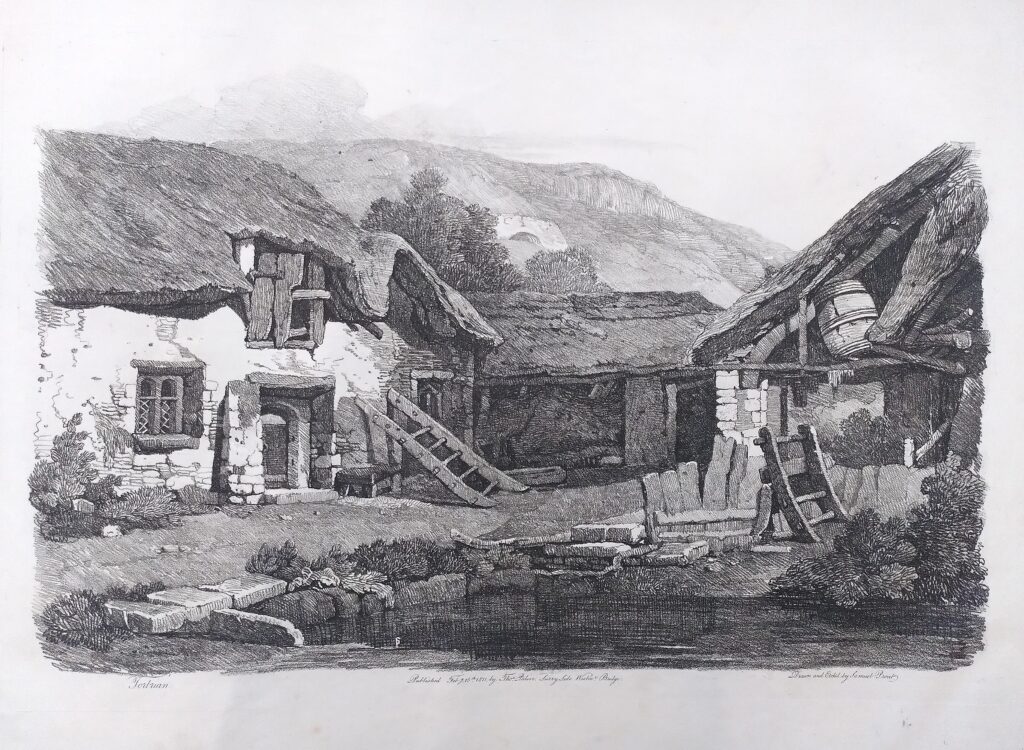
From 1819, Prout began to travel extensively on the continent, and his watercolours of towns in France, Germany, Switzerland and Italy, brought him general acclaim and fortune. His work remained popular throughout the nineteenth century, but his reputation fell rapidly after 1900. In 1908, Sabine Baring-Gould questioned whether full justice had really been done to the artist:
“Ruskin recognized his great merits, but the public generally has not acknowledged, indeed, has not realized, the revolution in taste due mainly to this shy, unassertive man.” (Devonshire Characters and Strange Events)
Recently, Prout’s importance has been more widely recognised. In particular, there is growing interest in his role in promoting lithography as a method for reproducing landscapes. Picturesque delineations presents a key moment in the evolution of Prout’s work in this field. Here, he experiments with etching as a means of rendering his own drawings in print, rather than relying on an engraver. A few years later, he would help to pioneer the use of lithography for the same purpose.