George Montagu (1751-1815)
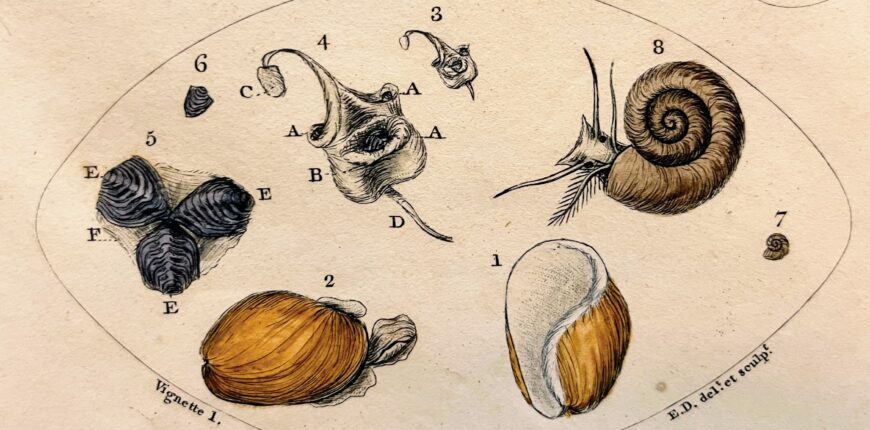
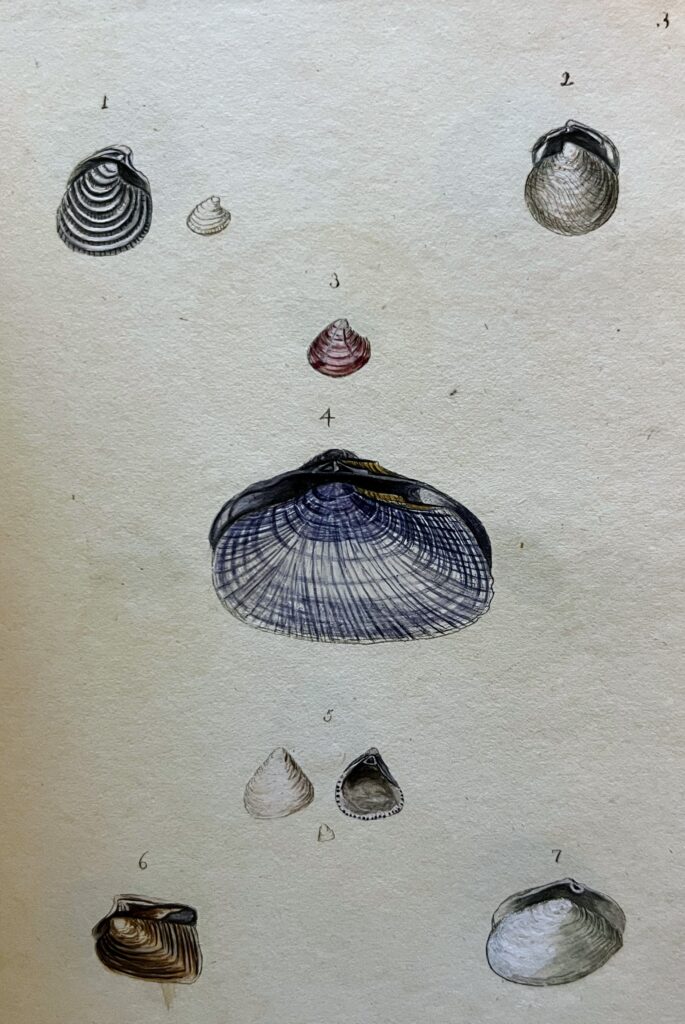
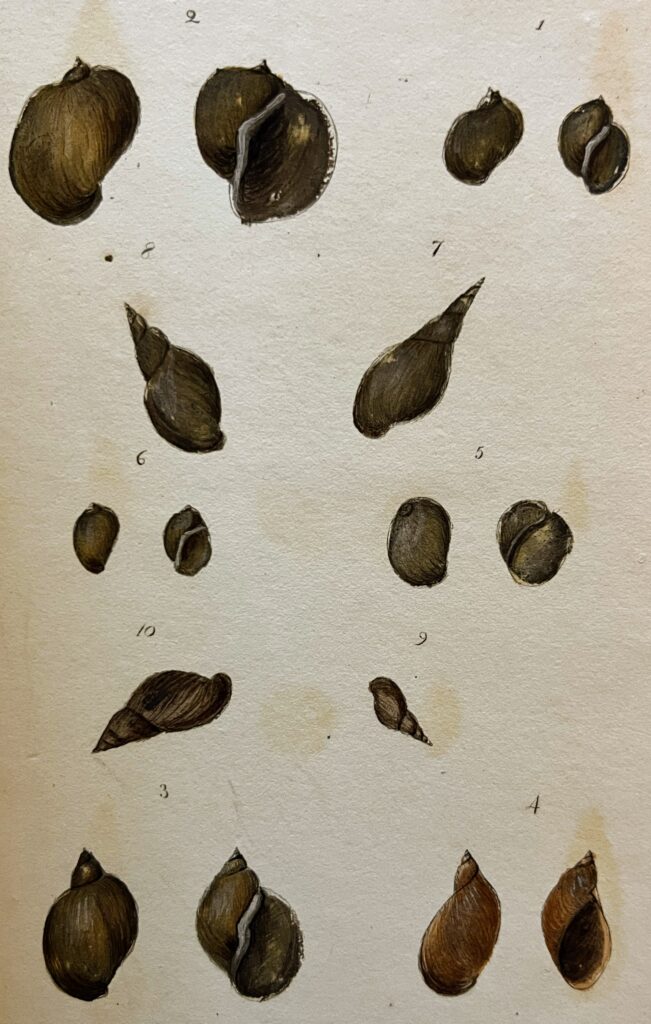
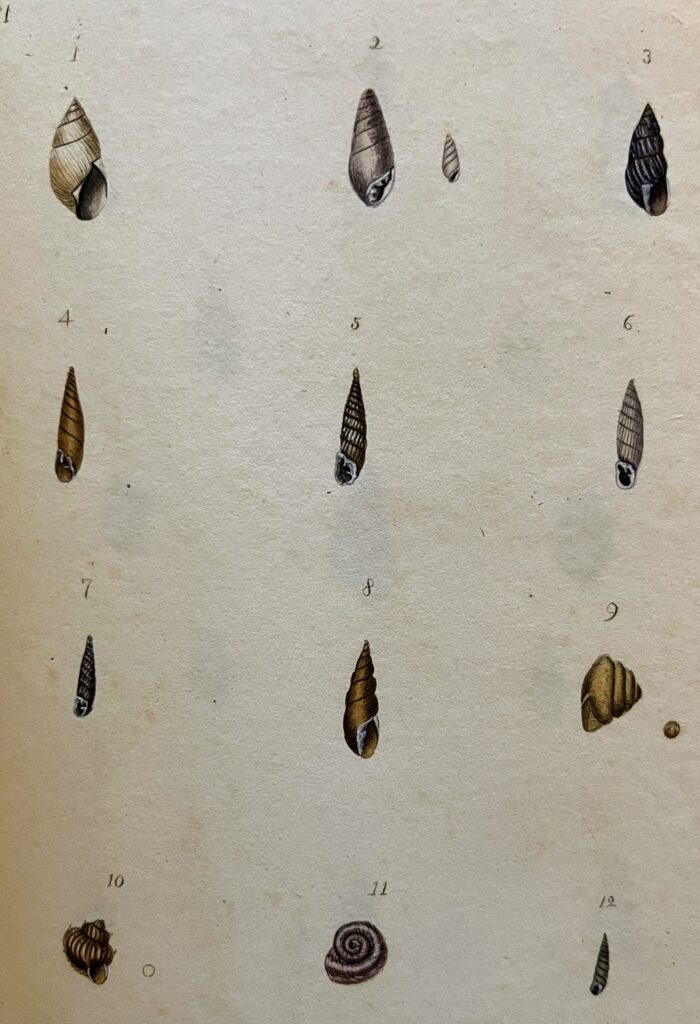
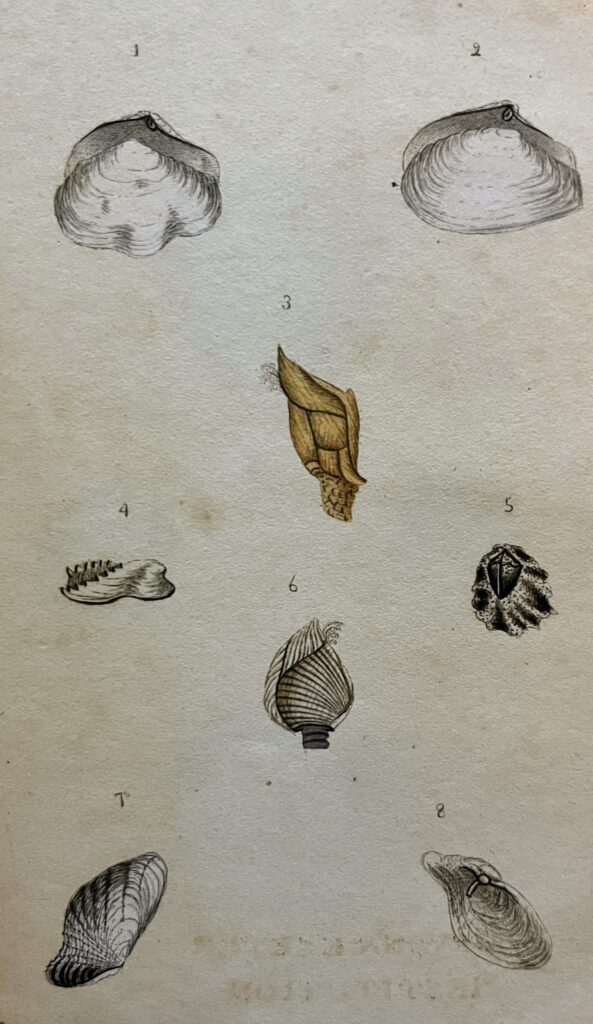
Testacea britannica, or, Natural history of British shells, marine, land, and fresh-water, including the most minute : systematically arranged and embellished with figures (1803)
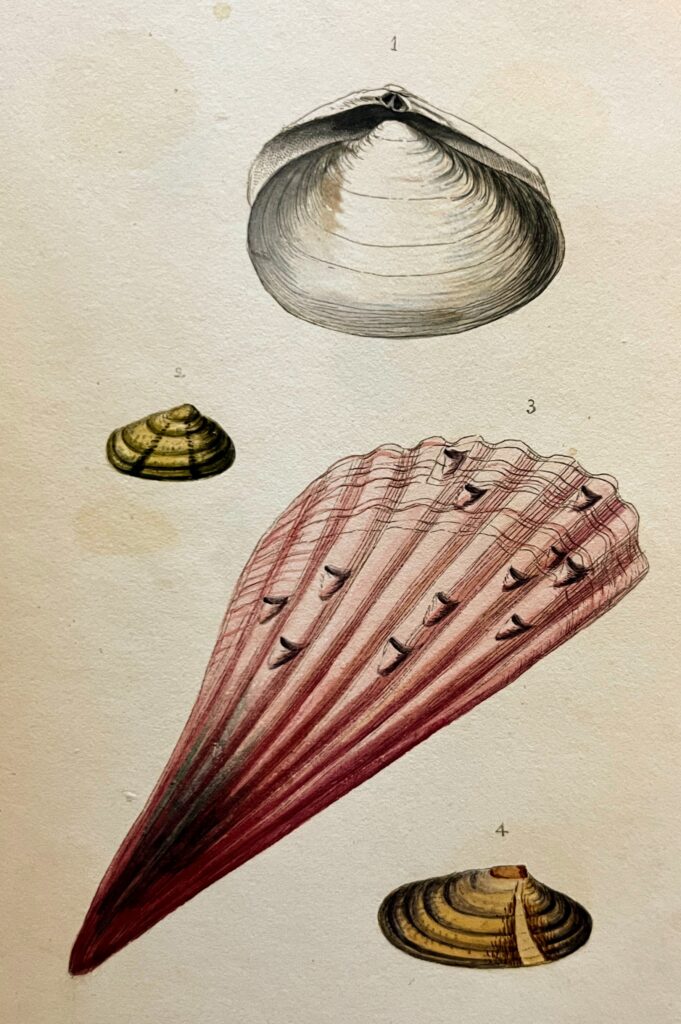 George Montagu’s Testacea Britannica is one of the most important works of natural history to come out of the Age of Enlightenment – and it has a special significance for Exeter.
The work of the Swedish botanist, Carl Linnaeus (1707–1778), prompted a surge of amateur and professional interest in natural history. A member of the Linnaean Society, George Montagu applauded Linnaeus and his contemporaries for dispelling the ‘days of darkness’ when ‘the researches of the naturalist were considered as trivial and uninteresting’. While Linnaeus had not considered the study of shells ‘worthy his notice’, Montagu remarked that since ‘their extreme beauty, and variety, naturally attracted attention, and their durability enabled them to be preserved without trouble, no branch of natural history has been more sought after’.
George Montagu is best-known for his Ornithological Dictionary or, Alphabetical Synopsis of British Birds (1802); his private collection of British birds was purchased by the British Museum in 1816. He amassed a collection of shells, too, many from the West Country, especially Salcombe harbour.
With a few exceptions, the numerous shells described in Testacea Britannica were from his own cabinet, ‘collected from their native places by ourselves, or by the hands of a few friends’. He identified many ‘which have never been described as English, and some entirely new’, often using a microscope to study minute details.
His work, ‘so intricate, and arduous an undertaking’, was published in December 1803 and ‘handsomely printed in quarto, price two guineas, or on a fine wove paper, with the plates accurately coloured, price four guineas, in boards’.
Montagu does not name the ‘feminine hand of the engraver’ – his mistress, Mrs Elizabeth D’Orville – but he goes to great lengths to forestall any criticism of her work:
‘Should the following sheets be deemed to possess any small share of merit, the public are indebted to the labours of a friend, who not only undertook the engraving, but in part also the colouring of the figures; executed from the objects themselves, they are a faithful representation, unadorned with the gaudy, high-coloured tints, which too often mislead. But for this assistance, so necessary in the smaller species, this work might never have seen the light … As this friend of science, however, may not undeservedly feel the shafts of the critical artist, it may be right to disarm them, by observing that, the feminine hand of the engraver was self taught, and claims no other merit in the execution, than what results from a desire to further science by a correct representation of the original drawings, taken by the same hand…
The year he died, Montagu gave copies of his Ornithological Dictionary and Testacea Britannica to the science collection at the new Devon and Exeter Institution; his donations are recorded within the books, possibly by the Institution’s first librarian, John Squance. Montagu left his remarkable collection of shells to his son, Henry D’Orville, who subsequently gave it to the Royal Albert Memorial Museum in Exeter in November 1874. In January 2020 Arts Council England awarded the collection Designation status as a reflection of its international importance to science.